
Going to an interview can be very stressful. You often worry about what questions you’ll be asked, the right and wrong ways to answer such questions, how to impress them and most importantly what you should wear. Dressing for an interview is one of the most important things that will determine your chances of getting the job. Did you know? it takes up to 30 seconds to make a good first impression. When it comes to interviews first impressions are important. If you make a good first impression on someone during an interview it can have a positive effect on the interviewer thoughts about you overall. However, if your first impressions on the interviewer were negative it can have a negative effect on them and it will cloud their judgment on you, even though your qualifications are amazing. 90% of your first impression comes from how you’re dressed. Here are some tips and tricks to perfecting your first impression on the interview by dressing proper!
WOMEN
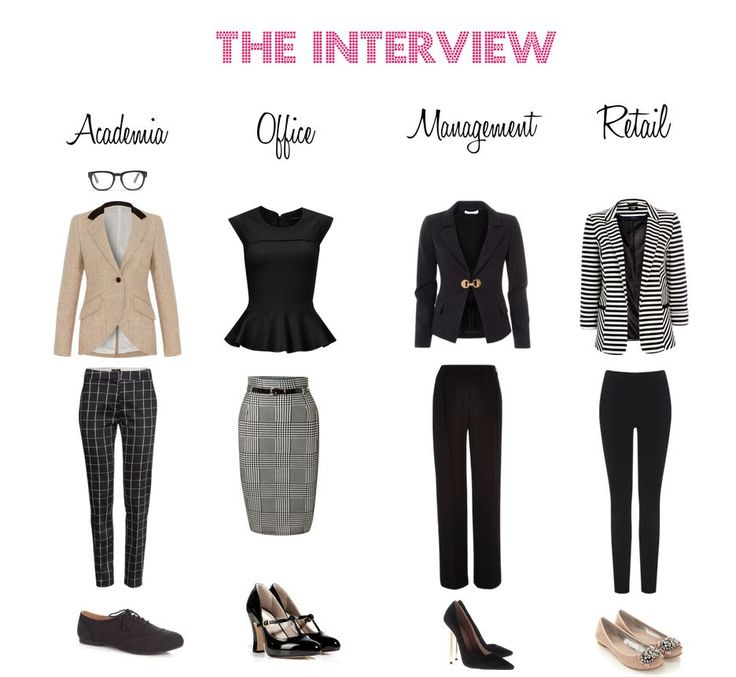
DO
- (If) for any reason that you only wear skirts. DO let it be below the knee! You don’t want to be distracting and have the interviewer pay attention to the wrong thing other than your qualifications.
- Do wear neutral/ warm colors such as black, navy, gray, burgundy, blue, brown and depending on the type of job you can get away with certain colors like green, yellow, orange and purple.
- (If) you’re not the type of person that doesn't like to wear suits, DO switch it up by wearing tops like blouse, peplum tops, button down tops, blazer, button down sweater or a below the knee dress. (Here’s some pictures of tops suggestions below)
- DO wear clean flats and closed toe shoes.
- DO wear slacks.
- DO have your hair done and prepared
- Your clothing must be fitted and fits well on you.
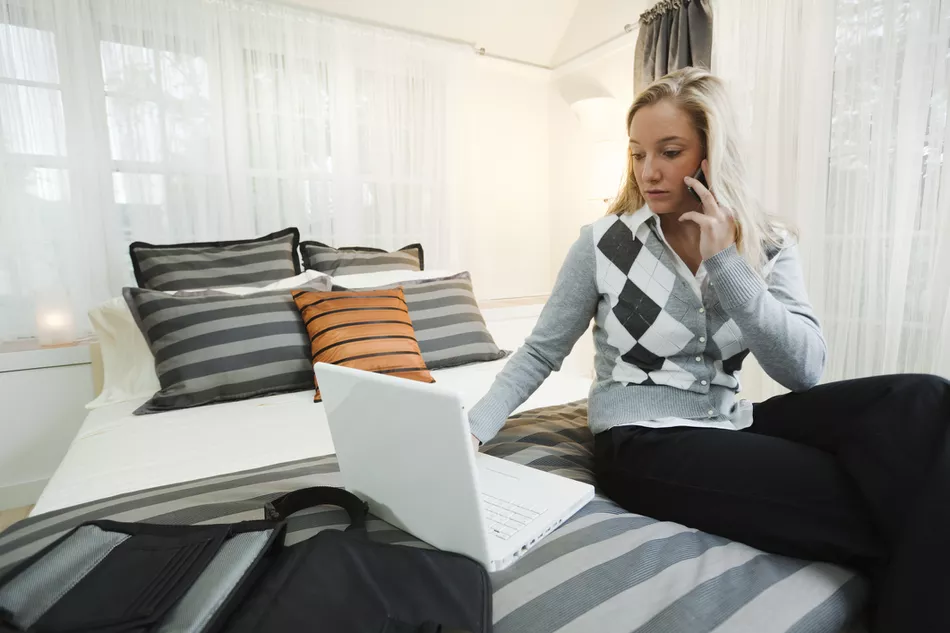
Button Down Sweater

Blazer
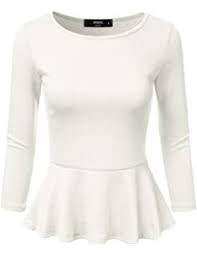
Peplum Top
DON’T
- DO NOT wear distracting items such as big jewelry, loud jewelry, loud big heels, bright lipstick colors, a heavy beat face.
- DO NOT wear sneakers, open toed shoes.
- DO NOT wear jeans, ripped tops or bottoms, cropped tops, spaghetti strapped shirts UNLESS it’s covered with a blazer and is not noticable.
- DO NOT wear skin tight clothing. Your clothing must be fitted and fits well on you
- DO NOT wear strong harshed perfume it can cause a distraction.

MEN
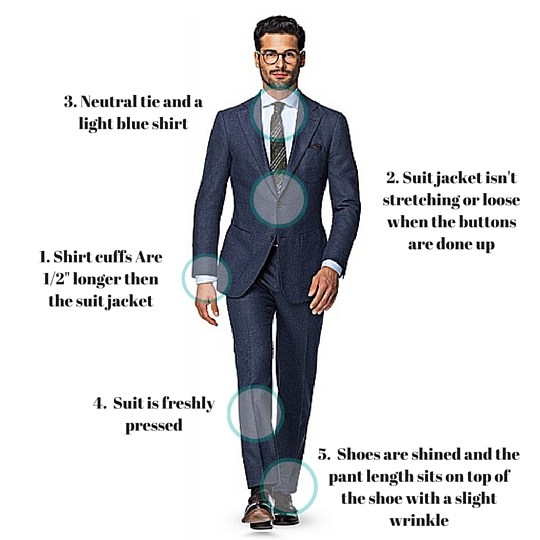

DO
- DO wear a tie.
- DO have your hair brushed and done neatly.
- DO wear church/business styled dress pants
- DO wear shined
- DO let your clothes be fitted
- DO wear neutral colors (same as listed above for the women)
- If you don't like wearing the two piece suit, wear a button down shirt or sweater with a tie.
- Do tuck in your chains or don’t wear them at all.
- DO tuck in your shirts
DON’TS
- DO NOT SAG
- DO NOT wear strong heavy cologne.
- DO NOT wear busted up shoes
- DO NOT wear baggy unfitted clothes
- DO NOT wear opened toed shoes
- DO NOT wear short sleeve shirts, ripped shirts or pants, graphic shirts and jeans
- DO NOT wear regular everyday socks
- DO NOT wear hats
Use these tips and tricks to help leave a positive impression on your interviewer & GOOD LUCK !
Comments
Post a Comment
Leave us a comment! We love hearing from our readers.